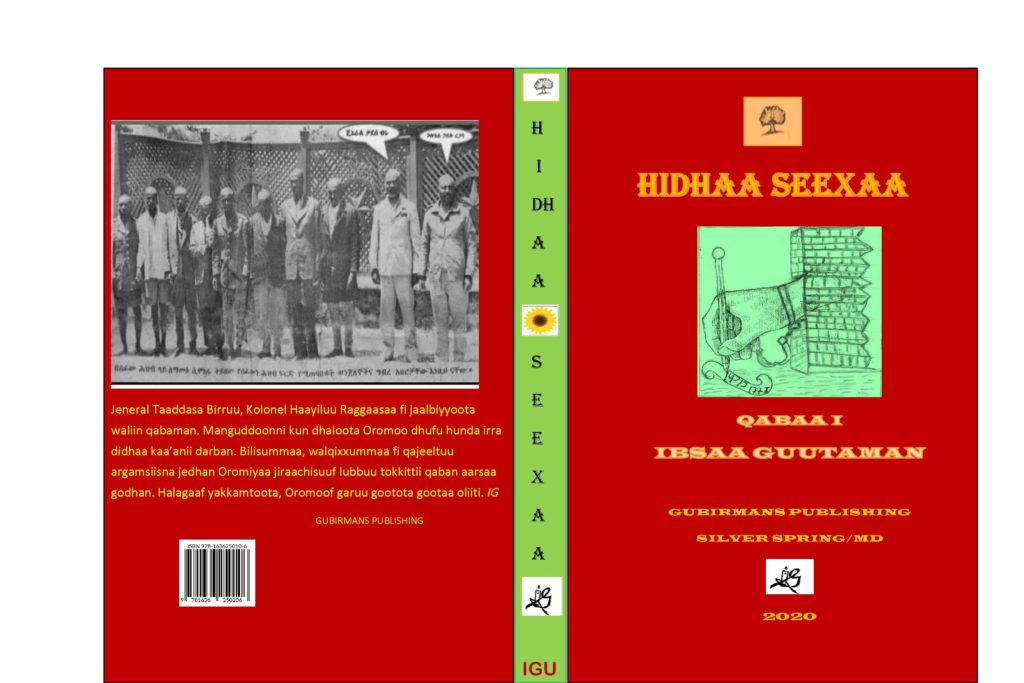
Hiidhaa Seexaa I&II– Kun waa’ee hidhaa Dargii jalaa kan nama hidhicha keessa gara waggaa kudhaniif hidhameen dhihate. Dubbisaan caalaatt empayericha akka hubatuuf qabatteen dabalaman jiru. Hidhamtich erga Dargiin badees ADWUI jalatt hidhamuun Maa’ikalaawii deebi’ee daawwachuuf carra argatee ture. Baruma dhaabota Oromoo irra waan ga’an gabaabaatt tuqamanii jiru. Dhuma irratt akka sutaatt tarreen hidhamtoota Oromo bara sanaa dhihaatee jira.
Hiidhaa Seexaa I&II-This was first published in English as “Prison of Conscience”. It is now presented in Afaan Oromo with some addition and expansion. For the Oromo nation the more than a hundred years of Amaaraa Ethiopian occupation had been a hell. Killings, tortures and disappearances were common place. Their land was grabbed, their culture erased, their language suppressed, they were turned to serfs and their identity was denied, their freedom deprived. Relentless struggle was waged to reverse the situation and much had been achieved towards it. This book is about experience of a prisoner who went under the most inhuman treatment in torture rooms and isolated from the world for about ten years. And also, about empire Ethiopia that knows no human rights and even human conscience was kept under suppression. All about the empire and Darg prison are contained in two volumes of this book in brief. The said prisoner had a chance to revisit Maa’ikalaawii under EPRDF government that replaced the Darg. List of prisoners of the previous detention is also given as appendix. Read it and there are more to discover.
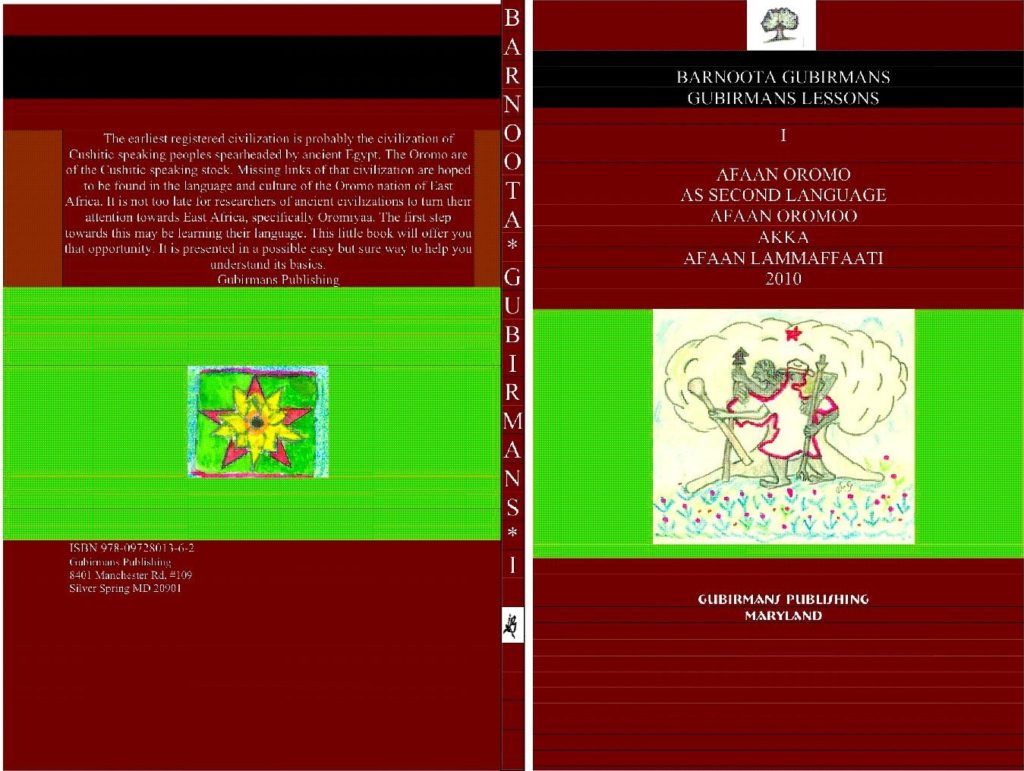
For all who are eager to learn afaan Oromo as a second lagnuage and those who speak the language but did not get the chance to learn how to read and write, a small book of 158 pages is published. The producers believe that it teaches the shortest way to the language. efforts are also being made to prepare suplimentary reading matterials. Take your chance and get ready to communicate in Afaan Oromo one of the major languages of Africa.
Price US $ 20.00 Shipping and handling in US $4.00
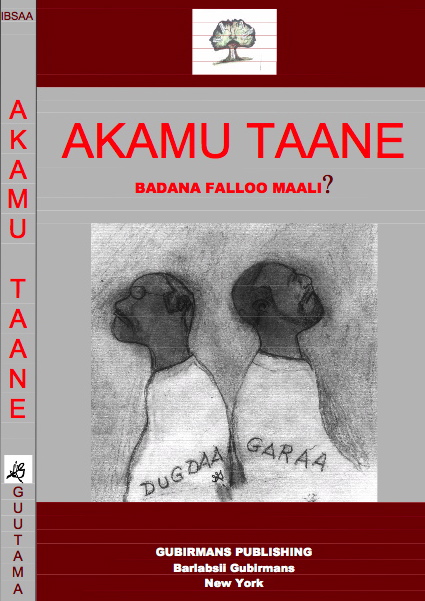
Qabsoon Oromoo bara soddomaa ol lakkaawwate jira. Namoota yeros jalqaban keessaa kan amma lubbuun jiran manguddoota. Qabsichi garuu aangoo fi beekumsan bilchaataa hin deemne. Malli hamma yoonaa dhahame Oromoo garaa hin cibsine. Malli haaraan labsamaa jiru kan “ empayera Itiyoophiyaa demokratessuun bakka barbaadame ni gahama” jedhu maaliif furmaata tahuu hin dandahu akka jedhamu moor kana dubbisuun hubachuu ni dandahama. Oromoon aadaan mareett amana. Garaa garummaa keessa saa jiru furuuf osoo shimala hin kaasiin, ilaa fi ilaameen fixachuu filata ture. Si’ana garuu, Oromoon, dhiibbaa sana irraanfachiisu, jala of galchan jiru. Kanaaf qabsoon saa akamu tahaa akka jiru agarsiisuun akeeka moor kanaa tokko. Ibsaa Guutamaa qabsoo Oromoo keessatt waggaa hedduuf qooda fudhatee jira. Tolaas hamaas itt argeera. Amma muuxannoo saa irratt hundaawee haaluma qabsoo Oromoo mudate kana mariif tolinnaa kan jedhu lafa kaa’eera. Tuqaalee kaasaa tahuu dandahu jedhu golee adda addaatii coree maadallii dubbisaaf dhiiheessee jira. Akkuma abboolii saa afollii hojii saa keessaa qooda guddaa qaba.Akkasumas Oromoon bara biyya argatu caasaa attamii diriirfachuu dandaha gaaffii jedhuuf, waa’ee Gadaa kanneen qeyeett dhagahee fi moorota adda addaa dubbisee irratt hundaawuun fakmishoo tokko dhiheessee jira. Rakkoon moonaa qabsoo keessa jiru akka inni jedhu yoo tahe ifas dukkanas qaba. Isa ifaa nagaan furatanii isa dukanatt ifsaa barbaadachuun akka. Gaaffiin Oromoo si’ana hubannoo sabgidduu argataa jira. Gaanfi Afriikaa gaaffiin sun deebi’u malee fulduratt nagaa, gabii fi guddinni kan yaadamu akka hin taane beeku. Sochiin Oromoo kan daangaa cehee mirga nama biraa tuqu miti. Bilisummaa saba ofiif lolachuun garuu mirga dhalootaati. Akka shororkeessatt kan dhiheessan yoo jiratan dogoggora. Aadaan Oromoo saana waliin akka hin deemne barruun kun ifaa godha. Kan barlabsame Oromoo haasofsiisuun falli keessaa ni argama jedhameetu.
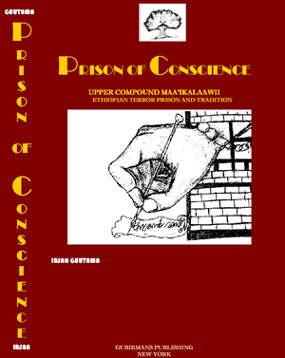
Ethiopia was so far known as Prison of Nationalities. Ibsaa Guutama reminds the reader of its other dimension as “Prison of Conscience”. Though the major episode of the book is “Darg’s prison”, in particular “Upper Compound Maa’ikalaawii”, it assesses prison in historical perspective, going back over 200 years of Abisiinian rule. The relation of Oromo with Nubian and Abisiinian Ethiopia is clearly put. The book also highlights the Oromo question, the struggle waged and the difficulties encountered, including the present predicament in the OLF.The diplomatic efforts made by Eastern and Western Oromo in 1919 and 1936 is briefly discussed. The caption on the cover, “Never give up”, tells all that the book is about. It is a valuable document not only for Oromo struggle but also for Ethiopian and Human Rights studies.
ISBN 0-9728O13-0-8
Price US $ 30.00
Shipping and handling in US $4.00
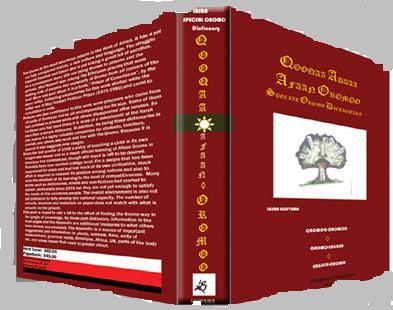
QOOQAA ADDAA
AFAAN OROMOO
SPECIAL OROMO DICTIONARY
Qabee
Contents
I. Fuulota Dura/Front Pages
Fuldure; Walbarsiisa
Yaada qooqolii hin baramin furuu
Qubee abaacaa Oromoo/Letters of Oromo alphabet; Preface; Introduction
Grammar Notes
Three Verb Groups
Irregular Verbs
Some special Verbs
II. Qooqaa/Dictionary
1. Oromoo-Oromoo, Oromo-English English-Oromo
III. Iyyaatoo Shaffisaa/Quick Reference
Mq Margo Oromiyaa/Oromiyaa plant names: botanical and English
alphabeticals
Oromiyaa; Yero, Lakkofsa fi tokkee Dhaha Hammaa/ Time, Numbers, and Unit of Measurements
Qabattee Seera Afaanii /Grammar notes; Gochii Oromoo muraasa/ Some Oromo verbs
Maqaa Dudhaa/ Oromo Traditional personal names; Hidda Dhalootaa/ Generation roots
Ibsa Dantu’un/Pictoral Illustrations
Olloota Oromoo/Oromo neighbors; Afriikaa; Miseensota Saboota Tokkoomanii/UN members
Qooqaa Tokkee Sadanii
One in three Dictionary
ISBN PB-0-97809728013-1-6/ HC-0-09728013-2-4
Price Hard cover US $ 60.00 Paper cover $ 45.00
Shipping and handling in the US $ 5.00
***As a policy products sold are not returned. But books damaged in the process of delivery may be returned within 30 days of our invoice.